Optimal Timing for Concrete Driveway Resurfacing
Choosing the optimal time for concrete driveway resurfacings depends on climate and weather conditions. Proper timing ensures the new surface cures correctly, minimizing issues such as cracking or uneven setting.
Spring offers moderate temperatures and lower humidity, ideal for resurfacing projects. It allows sufficient curing time before summer heat or winter cold impacts the concrete.
Summer provides warm, dry conditions that facilitate quick curing. However, extremely high temperatures can cause rapid drying, so timing within summer is important.
Fall's cooler temperatures and reduced humidity create favorable conditions. It also provides ample time for curing before winter.
Winter is generally unsuitable due to cold temperatures and potential for freezing, which can impair curing and cause cracks.
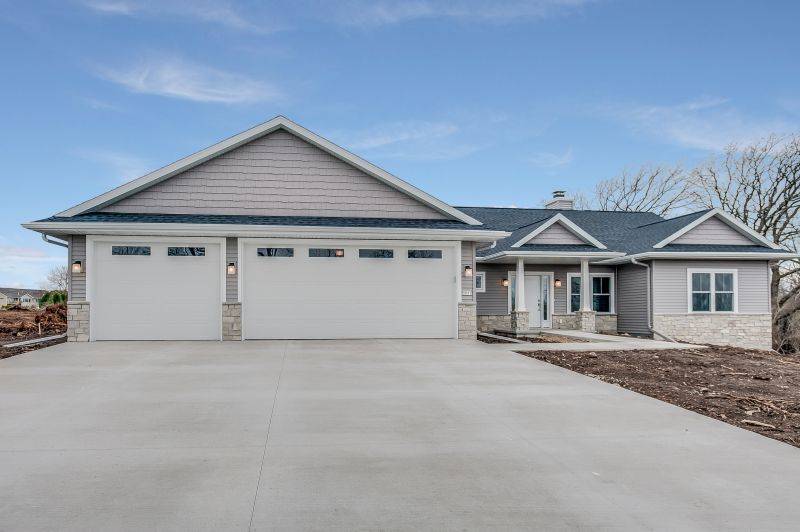
Spring is a popular season for resurfacing due to optimal weather conditions.
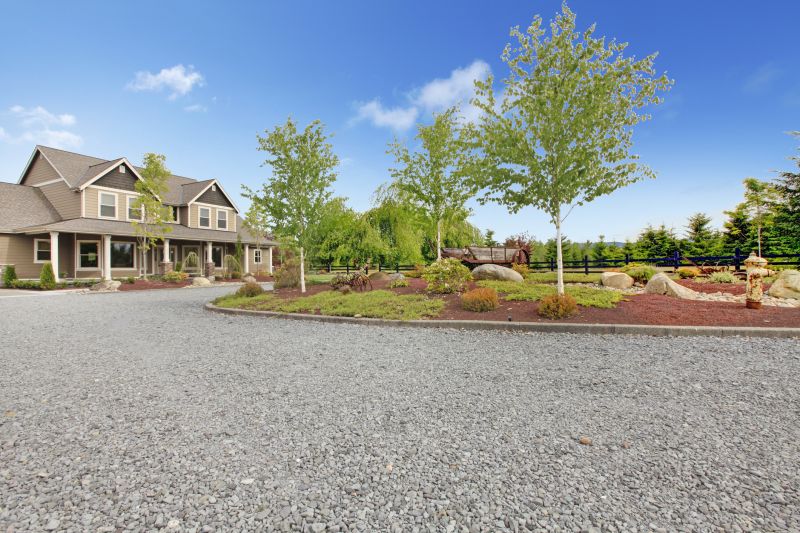
Summer requires careful timing to avoid extreme heat effects.

Fall offers cooler temperatures and less humidity for effective resurfacing.
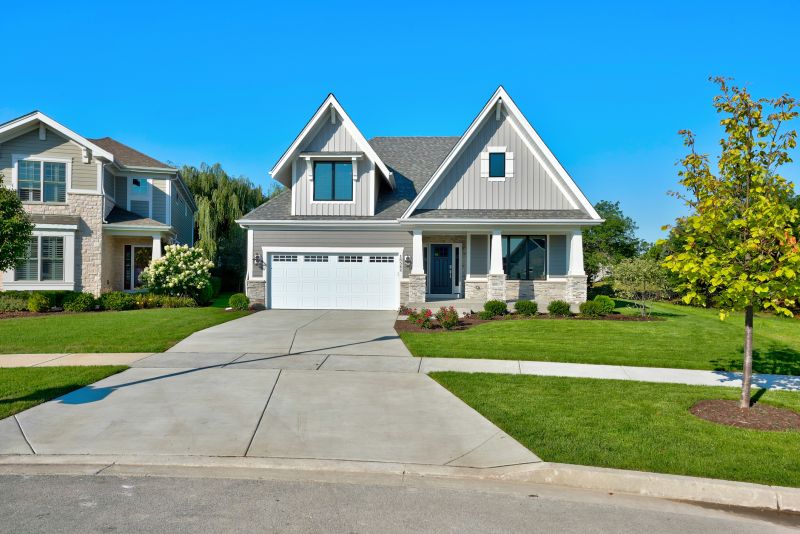
Ways to make Concrete Driveway Resurfacings work in tight or awkward layouts.
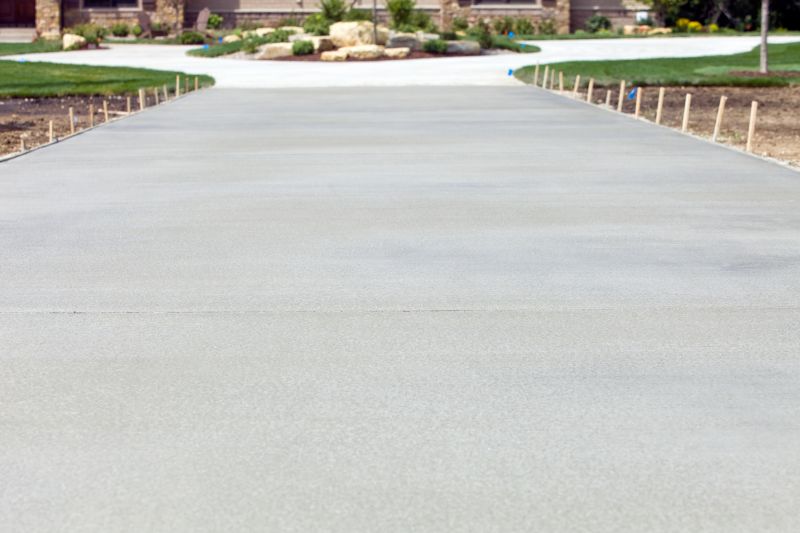
Popular materials for Concrete Driveway Resurfacings and why they hold up over time.
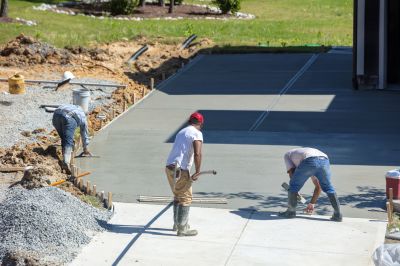
Simple add-ons that improve Concrete Driveway Resurfacings without blowing the budget.
| Season | Ideal Conditions |
|---|---|
| Spring | Moderate temperatures, low humidity, good curing conditions |
| Summer | Warm, dry weather, avoid extreme heat |
| Fall | Cooler temperatures, less humidity, ample curing time |
| Winter | Cold temperatures, freezing conditions, generally unsuitable |
Concrete driveway resurfacings involve applying a new surface layer over existing concrete to improve appearance and durability. Proper timing is crucial to ensure the surface cures properly and maintains its integrity over time. Weather conditions such as temperature, humidity, and precipitation directly influence the curing process, affecting the longevity of the resurfacing.
Statistics indicate that scheduling resurfacing during favorable weather can extend the lifespan of the new surface by reducing the risk of cracks and surface defects. Typically, a period of at least 24 to 48 hours of dry, mild weather is recommended for initial curing, with longer periods needed in cooler or more humid conditions.
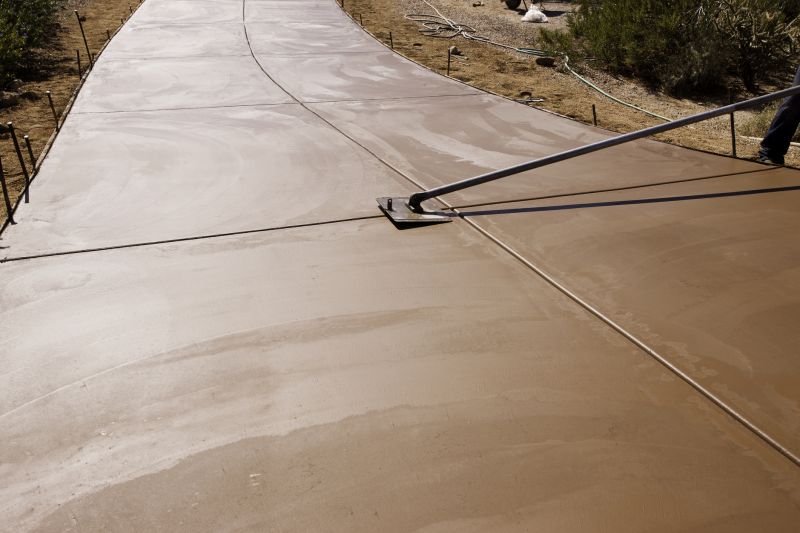
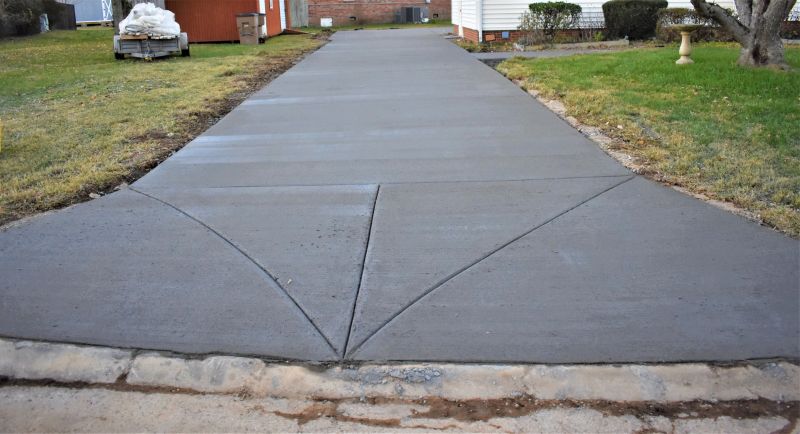
A smooth, new surface ready for use.
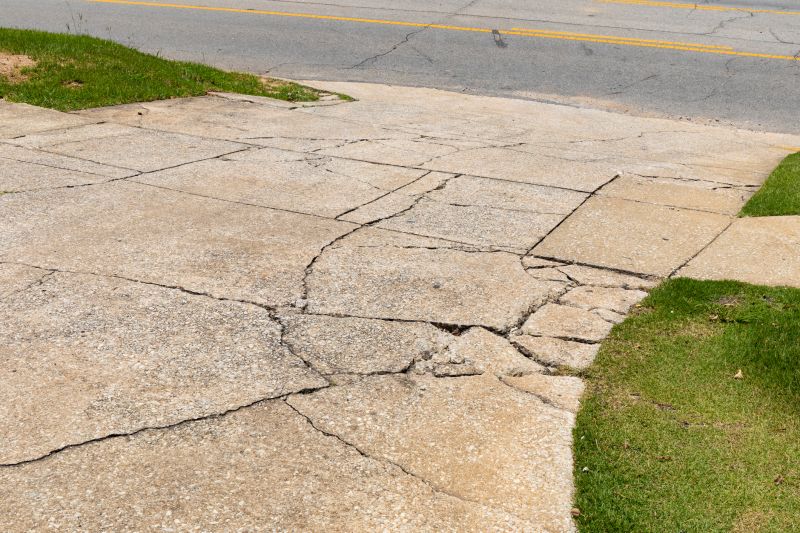
Proper curing ensures durability and surface integrity.
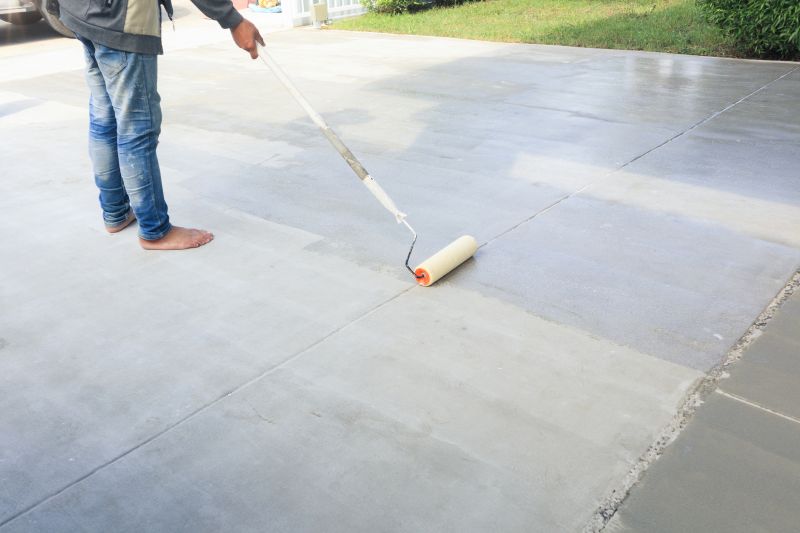
Application of new overlay over existing concrete.
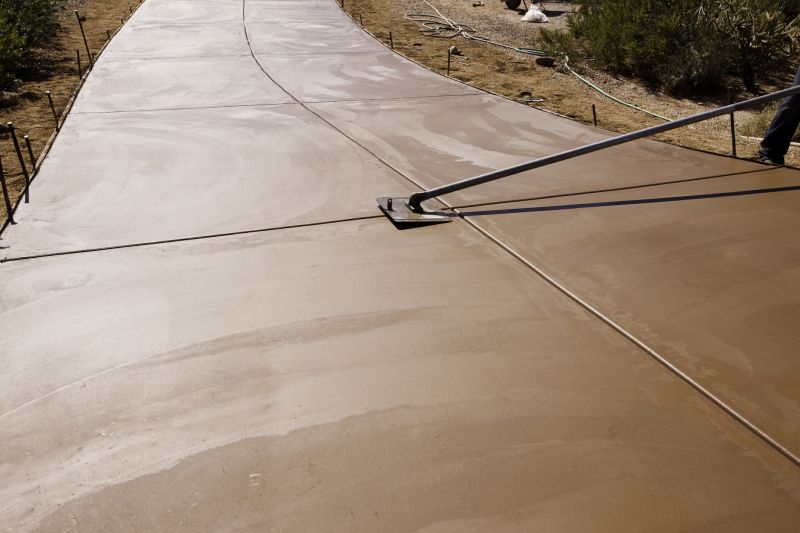
Completed driveway with a uniform surface.

High-end options that actually feel worth it for Concrete Driveway Resurfacings.

Finishes and colors that play nicely with Concrete Driveway Resurfacings.
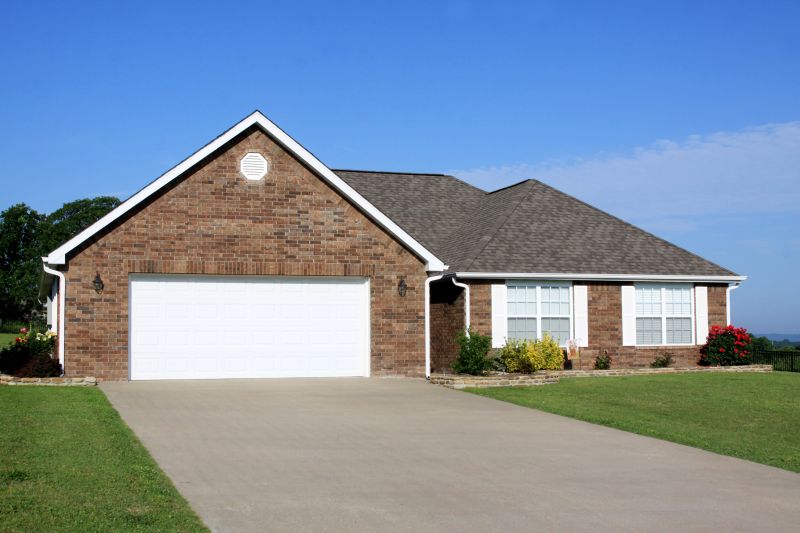
Little measurements that prevent headaches on Concrete Driveway Resurfacings day.
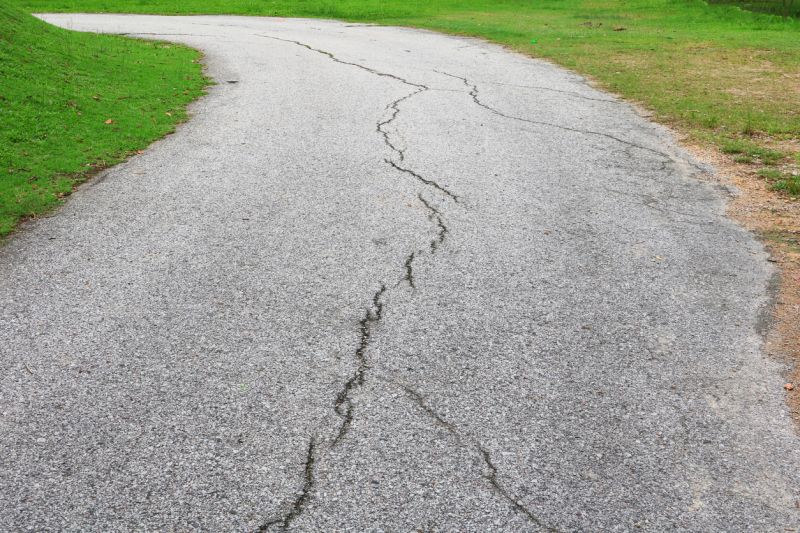
A 60-second routine that keeps Concrete Driveway Resurfacings looking new.
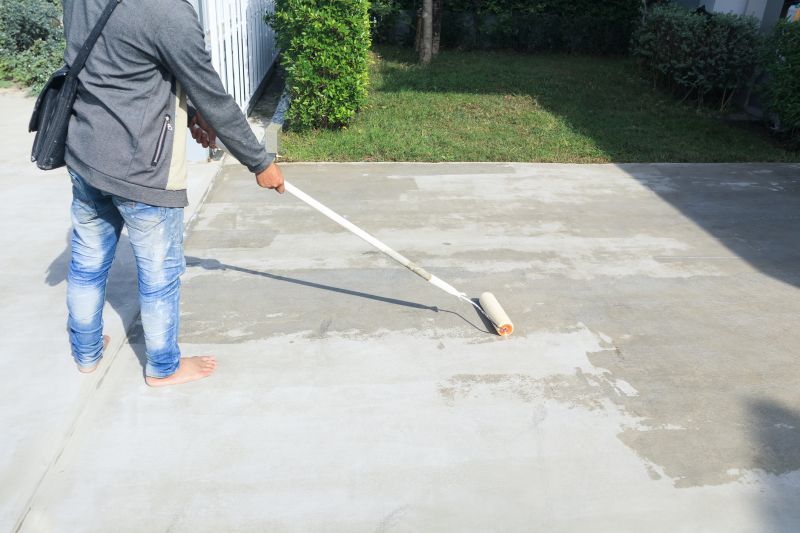
A frequent mistake in Concrete Driveway Resurfacings and how to dodge it.
Small tweaks to make Concrete Driveway Resurfacings safer and easier to use.
Interested parties are encouraged to contact for additional information or to schedule a resurfacing project. Proper timing and preparation can significantly impact the durability and appearance of a concrete driveway resurfacing.